STEP 1 • PREP
Peel, devein, dry
Remove shells and vein, rinse briefly, pat completely dry.
 GoAirFry
← Salmon time & temp • Crispy chicken → • Best air fryer USA 2026 →
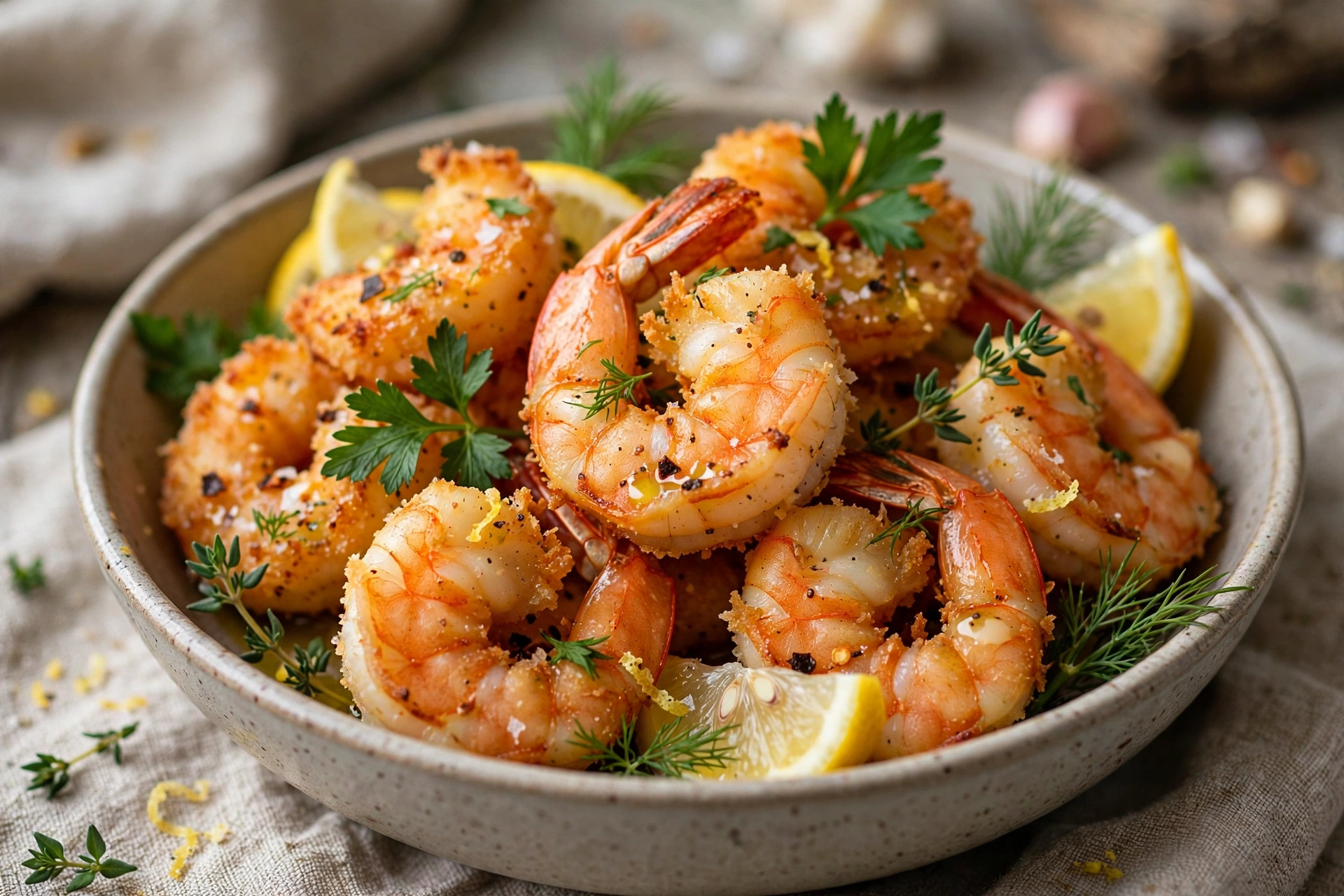
| Question | Answer |
|---|---|
| Best air fryer temp | 360°F / 182°C |
| Internal temp / doneness check | — — check with a thermometer, not colour alone, where a safe temperature applies |
| Single layer or crowded? | Single layer, always — crowding steams food instead of crisping it |
Four steps, in order — no photo is shown here, so follow the step text and the numbered method below.
Remove shells and vein, rinse briefly, pat completely dry.
Toss just before cooking, so salt does not draw out water.
5–6 minutes in a single layer, pull at C shape.
Toss in butter and lemon, serve immediately.
Size decides time. All at 360°F / 182°C, in a single layer.
| Item | Temp | Time | Notes |
|---|---|---|---|
| Medium shrimp | 360°F / 182°C | 4–5 min | Flip halfway |
| Large shrimp | 360°F / 182°C | 5–6 min | Most common size |
| Jumbo shrimp | 360°F / 182°C | 6–7 min | Check C shape |
| Frozen shrimp, thawed | 360°F / 182°C | 5–6 min | Pat dry well after thawing |
Shrimp suit the air fryer because they are small, cook in minutes, and benefit from dry, circulating heat that browns garlic and butter without a pan of oil. The risk is also speed — shrimp go from juicy to rubbery in about a minute, so a lower temperature than chicken, a single layer, and the C-shape check are what keep them tender.
Large shrimp are the most forgiving size; small shrimp overcook very fast and jumbo shrimp need an extra minute. Thaw frozen shrimp in cold water or overnight in the fridge, then pat dry — wet shrimp steam. Garlic burns quickly, so add garlic to the oil toss, not as dry pieces on top, and add butter after cooking, not before, or it browns too fast.
You need an air fryer, a bowl, and tongs. A 5–6 qt basket fits about 1.5 lb in a single layer. A thermometer is less useful for shrimp than shape and colour — look for pink, opaque, C-shaped shrimp. See the best air fryer guide linked below.
Serve shrimp with rice, pasta, air fryer vegetables, or a salad, plus lemon. They also work as a starter with air fryer mozzarella sticks for a party, and as a fast protein on the 7-day air fryer menu. For a fryer that fits shrimp and a side together, see best air fryer USA 2026.
Store cooked shrimp in the fridge for up to 2 days. Reheat very gently at 300°F / 150°C for 2 minutes, or eat cold in salads — reheating too long makes shrimp rubbery. Do not reheat more than once.
The difficult part of air fryer shrimp is the overcook window, and it is measured in seconds, not minutes. Shrimp cook through in 5–6 minutes at 360°F (182°C), but the difference between juicy and rubbery can be as little as 30 seconds at the end. Unlike chicken, which gives you a wide margin, shrimp protein tightens quickly once it passes done, squeezing out moisture and turning from tender to tough. That is why this recipe warns you not to walk away: the air fryer will not pause for you, and a shrimp that looked perfect when you glanced at it can be overdone by the time you come back.
The shape of the shrimp is your best guide, and it is worth learning before you cook. Raw shrimp are straight and greyish. As they cook, they curl into a C shape and turn pink and opaque, which is the point to pull them. If they curl into a tight O shape, with the tail nearly touching the head, they have gone too far. Colour alone can mislead you, because shrimp in a hot basket can look pink on the outside while the thickest part is still translucent, or look pale in the folds while the thin tail is already done. Check the thickest part of the largest shrimp in the batch, and trust the C shape plus opacity over the clock.
Even cooking starts before the basket. Sort shrimp by size, because a mixed batch will always overcook the small ones while the large ones finish. Thaw frozen shrimp fully first, in cold water or overnight in the fridge, then pat them very dry — wet shrimp steam, and steamed shrimp take longer to colour, which tempts you to leave them in too long. Peel and devein before cooking, season lightly just before cooking rather than hours ahead, and toss with just enough oil to coat. Salt left on too long can draw out moisture, and a heavy marinade can drip and burn in the basket, giving a bitter edge that has nothing to do with the shrimp itself.
In the basket, a single layer is non-negotiable. Crowded shrimp cook unevenly, with the ones in the middle steaming while the ones at the edges crisp, so you end up pulling some too early and others too late. Flip once halfway so both sides get direct hot air, and start checking at about 4 minutes for medium shrimp, even if the recipe time says 5–6 minutes for large. Pull the batch when most shrimp are C-shaped and opaque, and remember carryover heat: shrimp keep cooking for a minute or two after they leave the basket, so a shrimp pulled at a loose C will finish perfectly on the plate, while a shrimp pulled at a tight C is already on its way to an O.
If shrimp do overcook, do not try to fix them by cooking longer or reheating hard. Serve them at once with garlic butter and lemon, which adds moisture back at the surface, or cool them quickly and use them cold in a salad or taco, where a firmer texture is less noticeable. If shrimp are undercooked, return them for just 1 minute and check again — do not reset the full timer. The most reliable habit is to cook one test shrimp first when you try a new size or a new air fryer model.
Rubbery shrimp usually mean overcooking by a minute or cooking at too high a temperature — use 360°F / 182°C and pull at C shape. Bland shrimp mean seasoning too early or too little salt — season just before cooking. Wet shrimp mean not patting dry after thawing. Burnt garlic means garlic pieces on top — mix garlic into oil instead.
Large shrimp take 5–6 minutes at 360°F / 182°C, flipping halfway. Medium shrimp take 4–5 minutes and jumbo 6–7 minutes.
360°F / 182°C, about 180°C. It cooks shrimp through without turning them rubbery.
They curl into a C shape and turn pink and opaque. An O shape means overcooked.
Yes, flip once halfway so both sides cook evenly in a short cook.
Thaw first for best results — cold water or overnight in the fridge — then pat dry and cook 5–6 minutes.
Usually overcooking by a minute or too high a temperature. Use 360°F / 182°C and pull at C shape.
Yes, peel and devein first. Shell-on shrimp cook unevenly and are harder to season.
Very gently at 300°F / 150°C for 2 minutes, or eat cold. Long reheating makes shrimp rubbery.
Rice, pasta, vegetables, salad, tacos, and garlic butter with lemon.
Yes, shrimp are lean protein and air frying adds very little oil. Butter and sauces matter more than the method.
For up to 2 days in the fridge, ideally eaten cold or gently reheated. Shrimp do not hold as well as chicken.
Overcooking causes the tight O shape. Pull shrimp at a loose C shape, when pink and opaque, and check early, especially for smaller shrimp.
Season lightly just before cooking. Long salting or heavy marinades can draw out moisture and drip in the basket, so keep it simple for a short cook.
Thaw first for even cooking. Cold water or overnight in the fridge works, then pat dry and cook at 360°F (182°C) for 5–6 minutes for large shrimp.
As an Amazon Associate, GoAirFry earns from qualifying purchases through links on this page, at no extra cost to you. Always check the retailer's site for the final price. Times and temperatures here are starting points — check with a thermometer and check food early the first time you cook it in your model.